

How to Transport a Cat in the UK: Safety & Comfort Guide | UK and Europe Pet Taxi
Taking a cat on a long journey isn’t quite the same as travelling with a dog. Cats are creatures of habit, and a change in their surroundings can leave them nervous, unsettled, or even frightened. Whether you’re moving house, visiting family, or travelling between the UK and Europe, a little preparation can make the whole experience much easier.
With UK and Europe Pet Taxi, cat owners can arrange professional door-to-door pet transport with their cat’s comfort and safety kept at the heart of the journey.
Why Is Professional Cat Transport Essential Across the UK?
Professional cat transport takes away much of the hassle that comes with a long-distance journey. Instead of trying to drive, navigate unfamiliar roads, and keep an eye on a nervous cat at the same time, you can have experienced pet handlers manage the journey.
What Makes Feline Travel Different From Dog Relocation?
Cats often react differently to travel than dogs. Many cats don’t enjoy being taken out of their familiar surroundings, and even a short car journey can make some of them anxious.
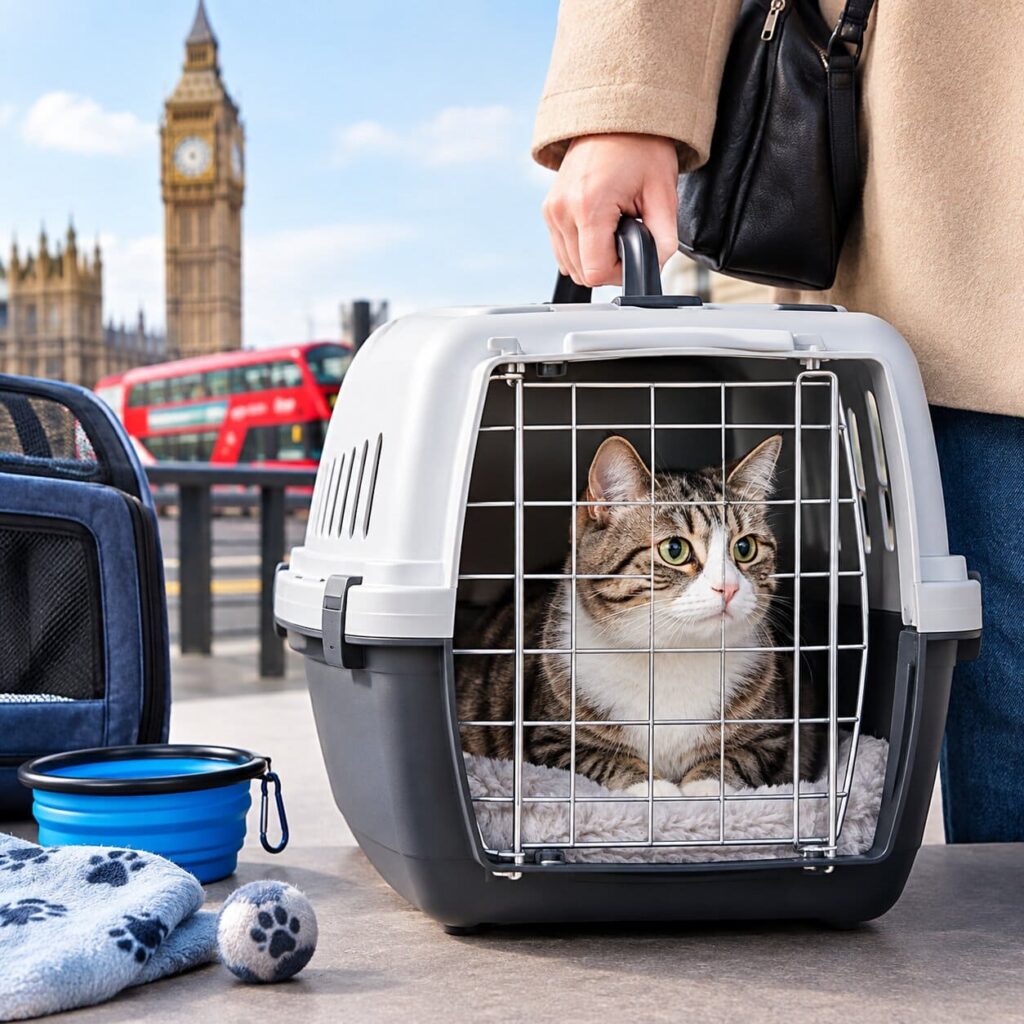
A secure carrier is essential. It should give the cat enough room to sit, stand, turn around, and settle comfortably without being excessively large. Familiar bedding can also help because the smell of home may make the carrier feel less strange.
How Does Long-Distance Travel Impact a Cat’s Stress Levels?
A long journey can be tiring for a cat, particularly if it isn’t used to travelling. Traffic noise, unfamiliar smells, movement, and changes in temperature may all add to its stress.
Keeping the journey calm and well organised can help. The carrier should be secured properly, the vehicle should have good ventilation and temperature control, and the cat should be checked regularly during the trip.
What Are the UK Legal Regulations for Transporting Cats?
Anyone transporting an animal has a responsibility to consider its welfare. Cats shouldn’t be placed in situations where they’re likely to suffer unnecessary discomfort, injury, or distress.
What Are the Welfare Rules Under the Animal Welfare Act 2006?
The Animal Welfare Act 2006 sets out responsibilities for people looking after animals in England and Wales. In practical terms, cat transport should be planned with the animal’s health, safety and welfare in mind.
That means using suitable equipment, avoiding unnecessary risks, and making sure the cat is cared for throughout the journey.
Is It Legal to Transport Cats in Loose Carriers on UK Roads?
A cat should never be allowed to wander freely around a moving vehicle. Apart from being dangerous for the animal, it could distract the driver and create a serious road safety risk.
A sturdy carrier that’s properly secured is a much safer choice. It should remain stable rather than sliding around whenever the vehicle brakes, turns, or accelerates.
What Documents Are Needed for Cross-Border and Eurotunnel Travel?
Travelling with a cat between the UK and Europe involves additional preparation. Depending on the route and destination, you may need appropriate identification, vaccination records and other pet travel documentation.
If your journey involves the Channel Tunnel, it’s important to check the current requirements before setting off. UK and Europe Pet Taxi can help you understand what needs to be prepared for your planned journey.
How Can You Prepare Your Cat for a Long-Distance Journey in the UK?
Don’t leave everything until travel day. Ideally, your cat should have time to get used to its carrier before the journey.
Leave the carrier somewhere familiar at home, with the door open. Put a blanket or a few treats inside and allow your cat to investigate it without pressure.
How Can You Crate Train an Adult Cat Before the Travel Date?
Start slowly. Once your cat is comfortable going into the carrier, close the door for short periods. You can then introduce brief car journeys before attempting a much longer trip.
This gradual approach can make the carrier feel less like a warning sign that something unpleasant is about to happen.
What Should You Pack in a Feline Travel Comfort Kit?
A simple travel kit can make life much easier. Consider taking:
- Familiar bedding or a blanket
- Fresh water
- Suitable food
- Food and water bowls
- Spare bedding
- Cleaning supplies
- Your cat’s travel documents
- Any medication prescribed by your vet
It’s always better to have a few useful extras than to find yourself without them halfway through the journey.
Should You Feed or Sedate Your Cat Before Transport?
Avoid giving your cat a large meal immediately before a long journey, as travelling can sometimes upset the stomach. Feeding should be planned around your cat’s normal routine and the journey length.
Sedation is a different matter. Never give your cat medication simply to make travel easier unless your vet has advised you to do so. If your cat has severe travel anxiety, speak with your vet before the journey.
How Does UK and Europe Pet Taxi Provide Comfortable Cat Transport?
For many owners, the hardest part isn’t finding a vehicle. It’s finding someone who understands that cats need patience and careful handling.
UK and Europe Pet Taxi provides dedicated pet transport for journeys across the UK and selected European routes, with attention given to secure carriers, comfortable temperatures and calm handling.
What Features Make Our Pet Taxis Secure and Comfortable?
A suitable pet transport vehicle should provide a clean, secure and comfortable environment. Carriers need to be positioned safely, while ventilation and temperature should be monitored throughout the journey.
The goal isn’t simply to get from A to B. It’s to make the journey as straightforward and comfortable as possible for the cat.
How Are Cats Handled During Comfort Breaks?
Cats can become more anxious when they’re repeatedly removed from their carriers in unfamiliar places. For that reason, handling should be kept calm and sensible.
During longer journeys, the cat can be checked and given appropriate care without unnecessary disruption. Hydration, cleanliness and general wellbeing should remain priorities throughout the trip.
Why Choose Door-to-Door Cat Transport Over DIY Driving?
Driving a cat across the country can be exhausting, especially when you’re dealing with traffic, route changes and an unfamiliar destination.
A door-to-door pet taxi gives you one less thing to worry about. UK and Europe Pet Taxi can arrange collection from your chosen address and transportation to the destination, helping make long-distance cat travel much simpler.
How Much Does Professional Cat Transport Cost in the UK?
There’s no single price for every cat journey. The cost depends on several details, including the distance, route, travel date and whether the trip involves an international crossing.
What Factors Determine Long-Distance Cat Transport Pricing?
Factors may include mileage, travel time, fuel costs, road charges, ferry or tunnel crossings, and the type of transport required.
The easiest way to receive an accurate quote is to provide your collection address, destination, preferred date and information about your cat.
How Can You Book a Custom Cat Taxi Service Online?
Getting started is straightforward. Contact UK and Europe Pet Taxi with your travel details and explain where your cat needs to be collected and delivered.
The team can then discuss the journey, practical requirements and available transport arrangements.
Read more: Emergency & Urgent Cat Transport in the UK