

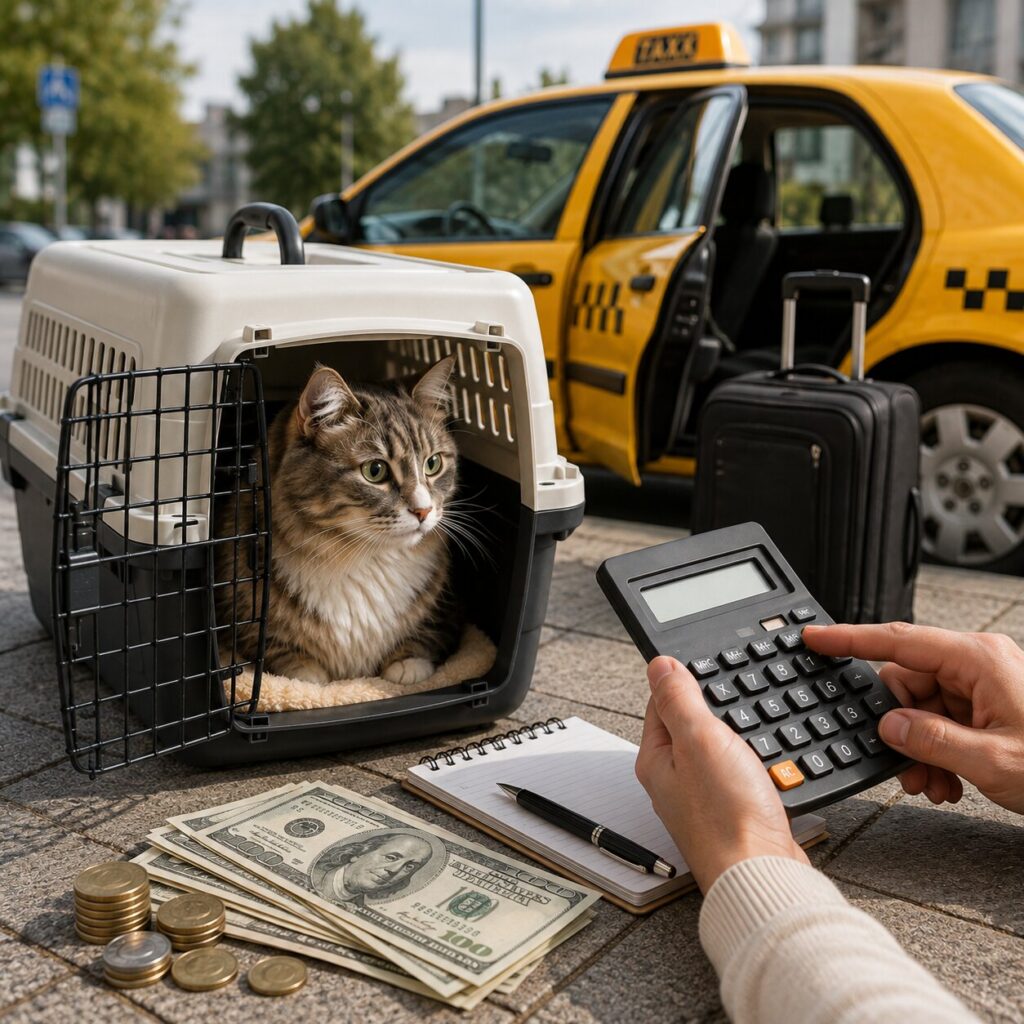
Cat relocation costs from £50 to £1,500 or more depending on the distance, transit method and level of care needed. Short-distance journeys in the UK are cheaper than international moves, but overseas moves can include hefty paperwork and handling charges. Below we break down the numbers so you know what to budget before booking.
What Factors Affect the Cost of Shipping a Cat?
The final cost varies depending on multiple factors. Distance may be the biggest factor to consider, since it may cost less to get your pets from one area to the other than for those in a foreign country. Car rental is usually cheaper than flying your pet and getting them to their destination. Carrier requirements may also play a role, especially if you need airline approved crates or IATA-approved containers. Vet paperwork, such as health certificates, vaccinations, and microchippings, can come at extra costs. Whether the service provides a full door-to-door pickup or a shared drop-off location, can often come with extra charges. Even same-day services will come at an extra cost.
How Much Does It Cost to Ship a Cat Locally?
Local travel expenses, such as a cat’s move across town or to a new home in the area, typically range between £50 and £150. This usually includes a door-to-door pick up and drop off, a comfy carrier, and no stopping points along the way. Local moves are the least expensive route available, making them an ideal alternative for owners who do not want to stress about driving their cat around in traffic or along unfamiliar roads.
How Much Does It Cost to Ship a Cat Within the UK?
For longer domestic trips within the UK, prices typically range from £100 to £400. The exact cost depends on the distance, whether the driver must stop over part way through the journey, and if your cat needs to be monitored during the trip. Many pet owners opt for a car-based service when it comes to long trips as it takes away some of the stress cats can experience on public transport or in airline baggage compartments.
How Much Does It Cost to Ship a Cat Internationally?
International cat shipping is the most expensive option, with moving costs ranging from £500 to £1,500 or more. Costs include flights and excess baggage charges, an IATA-approved crate, health certificates and export paperwork, as well as road transport to and from airports on both ends of the journey. In some countries, such as several in the EU, pets are also required to undergo a rabies titer test and wait for approval before they are allowed to travel, which can extend the length of the process and increase the cost of the move.
Is it Cheaper to Drive a Cat Yourself or Use a Courier?
Driving a cat yourself is cheaper in fuel costs alone, but it has its challenges that can easily be overlooked. Lost work time, managing an anxious animal in transit, or a new environment that may encourage their attempt to escape can be real hazards. A professional Cat Courier service can take much of the risk out of the equation by employing experienced, secure carriers, and special climate controlled vehicles specifically designed for transporting pets. Many cat owners find that the extra cost is worth it for the peace of mind they have in knowing that their cat is handled with love.
What’s Included in a Cat Shipping Quote?
A transparent quote should state the pickup and drop off location, the vehicle or crate used, estimated travel time, needed documentation for the trip, as well as insurance on the animal being transported. Ask for a written quote before you book and check whether the price is fixed or subject to change due to delays, distance changes, or stops added on the route.
Do prices differ between companies?
Yes, and the differences can be substantial. Pricing will generally vary depending on the company’s reputation and experience, if this is a solo trip (one cat per trip), shared with other animals, and whether the trip is covered by insurance or liability. Some companies may also charge extra for additional features like live GPS tracking or photo updates sent on the way. Solo trips may be more expensive than shared trips, but they can be less stressful for the cat because they aren’t likely to encounter other pets that might cause distress.
Are There Extra Costs to Watch Out For?
Some services advertise low rates on their site but then add additional fees after you make your reservation. Hidden fees include weekend or holiday surcharges, last-minute or same-day requests, additional stops, overnight stays on long-distance trips, special handling fees for senior cats, kittens, or cats with medical needs.
How Do You Lower the Cost of Shipping a Cat?
Saving on prices by booking in advance or calling within the same day is a good idea, as is using shared transport, should you have other cats. Preparing your paperwork for the vet ahead of time also helps you avoid rush charges, and comparing prices from several local service providers before booking ensures you aren’t overpaying for a standard trip.
Why Choose a Professional Pet Transport Service?
While cost is important, safety and comfort are just as important when transporting a live animal. A professional Cat Courier service includes trained handlers, safe and well ventilated carriers, and checks-ins throughout the journey, especially for anxious cats, senior cats or those with conditions that require constant attention during the transport.
For pet owners across the UK and Europe, UK and Europe Pet Taxi offers a reliable service for cat transport, whether it’s a short, local trip or a longer journey within your home. By using a specialized service, your cat travels with people who understand the behaviour of felines and how stressful cats can be. You won’t be treated like a parcel by a standard delivery service.
Final Thoughts: What Should You Budget for Shipping a Cat?
On average, it costs between £50 and £150 to move within your city, from the UK to the US, from £100 to £400, and from £500 to £1,500 or more. The best cost depends on the size and weight of your cat, the distance, and the level of service you need. Check a quotation upfront, and ask the right questions about packaging, paperwork, and transportation, to avoid any surprise charges and ensure your cat will arrive peacefully at the other end.